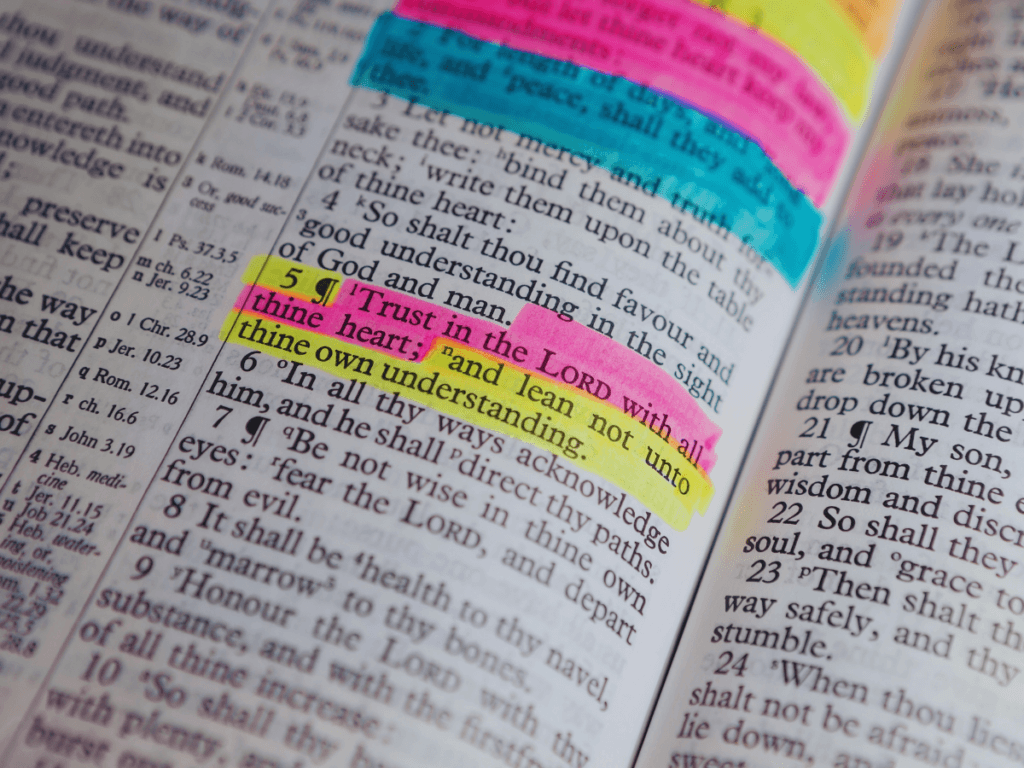
There is a longing so universal, so ancient, that every generation of believers has carried it. It is not the desire to know more about God. It is the desire to hear him. To know, with a certainty that reaches past the noise of your own thoughts and the opinions of everyone around you, that the living God has spoken directly to you.
Most people assume that hearing God’s voice is reserved for the spiritually elite, for prophets and mystics, for the kind of believers whose prayer lives seem to operate at a frequency the rest of us cannot access. But Jesus did not say that only certain sheep hear his voice. He said, plainly and without qualification, “My sheep listen to my voice; I know them, and they follow me” (John 10:27). If you belong to him, you are already in the conversation. The question is not whether God is speaking. The question is whether you have learned to listen.
This guide walks through seven practical, biblically grounded steps to help you hear God’s voice more clearly in your daily life. Moreover, it will help you understand how God speaks, what his voice sounds like, and how to distinguish it from the other voices that compete for your attention every single day.
Why So Many Christians Struggle to Hear God’s Voice
Before we get to the steps, it is worth naming the struggle honestly. Many sincere believers spend years feeling as though God is silent. They pray, they read Scripture, they attend church faithfully, and still the sense of direct communication remains just out of reach. Consequently, some conclude that God simply does not speak to ordinary people in ordinary times.
However, the problem is rarely that God has gone quiet. The problem is almost always that the noise around us, and inside us, has become so constant that we have lost the ability to recognize the frequency on which he speaks. The prophet Elijah discovered this in one of the most dramatic scenes in the entire Old Testament. He had just called down fire from heaven on Mount Carmel. Nevertheless, he found himself hiding in a cave, exhausted and afraid, convinced that God was done with him. And God met him not in the earthquake, not in the fire, but in a still small voice. A gentle whisper. The kind of sound you only catch if you are very, very quiet (1 Kings 19:12).
God has not changed his preferred register. He still speaks. Furthermore, he speaks to his people through multiple channels, all of them present and available to us today.
How God Speaks: Understanding the Channels
To hear God’s voice, you first need to understand the ways he communicates. This matters because many people are waiting for one particular kind of experience while missing the ways God is actually speaking to them right now.
God Speaks Primarily Through Scripture
The most important thing to understand about hearing God’s voice is that God has already spoken, comprehensively and authoritatively, in the Bible. Second Timothy 3:16 says that “all Scripture is God-breathed and is useful for teaching, rebuking, correcting and training in righteousness.” Therefore, any impression you believe is from God must be tested against what he has already revealed in his Word. He will never contradict himself.
This does not mean that reading the Bible is a substitute for personal communion with God. Rather, the Bible is the lens through which all other communication is evaluated and the primary place where God speaks with absolute certainty. You can read and study any passage of Scripture at Bible Gateway, which offers dozens of translations and in-depth study tools.
God Speaks Through the Holy Spirit
When Jesus was preparing his disciples for his departure, he promised them something extraordinary. He said, “When he, the Spirit of truth, comes, he will guide you into all the truth. He will not speak on his own; he will speak only what he hears” (John 16:13). The Holy Spirit, who lives inside every believer, is the primary agent through whom God communicates personally and specifically with his people.
The Spirit speaks in a variety of ways: through impressions and convictions, through a sense of peace or unease, through thoughts that seem to arrive from outside your own mental framework, through dreams, through the words of other believers, and through circumstances that open or close in ways that feel orchestrated by something beyond human planning.
God Speaks Through Circumstances and Community
Furthermore, God speaks through the events and people he places in your path. Proverbs 11:14 says that “in an abundance of counselors there is safety.” The consistent wisdom of trusted, Spirit-filled believers in your life is one of the most underappreciated forms of divine guidance. Meanwhile, doors that open unexpectedly and doors that close firmly can both carry a message worth paying attention to.
7 Practical Steps to Hear God’s Voice
Step 1: Establish That You Belong to Him
The first step is the most foundational one. Jesus said that his sheep hear his voice. The capacity to recognize God speaking is not a spiritual gift distributed to some believers and withheld from others. It is the inheritance of everyone who has genuinely given their life to Christ. Therefore, before anything else, make sure your relationship with God is real and living, not merely inherited or cultural.
If you have never surrendered your life to Jesus, or if you are uncertain about where you stand, that is the place to begin. Our article on salvation walks through what it means to be born again and how to receive the new life that makes hearing God possible.
Step 2: Saturate Yourself in Scripture
There is no shortcut to this one. The more familiar you are with God’s written Word, the more naturally you will recognize the voice that inspired it. Bank employees are trained to spot counterfeit bills not by studying counterfeits but by handling genuine currency so constantly that anything false immediately feels wrong. The same principle applies here.
As GotQuestions explains, the primary way God speaks to believers today is through Scripture, applied personally by the Holy Spirit to specific situations. Make daily Bible reading non-negotiable. Not as a religious duty but as a conversation you are entering. Come to the text with actual questions and actual situations, and watch how often the Spirit illuminates a passage in a way that speaks directly to what you are facing.
The YouVersion Bible App offers guided reading plans for every season of life and makes consistent Scripture engagement accessible wherever you are.
Step 3: Create Consistent Space for Silence
This step is the one most modern believers skip, and it is the one that changes everything. God said through the psalmist, “Be still, and know that I am God” (Psalm 46:10). The stillness is not merely a mood. It is a prerequisite.
Samuel was sleeping in the tabernacle when God called his name. Mary was sitting quietly at the feet of Jesus when she received what Martha, busy with preparations, was missing. Elijah heard the still small voice only after the storm had passed and the silence had settled. In each case, the voice of God came to people who were not rushing. Consequently, if every moment of your day is filled with noise, screens, sound, and stimulation, you are systematically eliminating the conditions in which you are most likely to hear him.
Begin with even ten minutes of genuine quiet each day. No phone. No music. No agenda beyond simply being present with God. Over time, that practice rewires your interior life in ways that make his voice progressively easier to recognize throughout the rest of your day.
Step 4: Learn to Recognize His Tone
One of the most practical questions a new believer asks is: how do I know the difference between God’s voice, my own thoughts, and the enemy? This is not a naive question. It is an essential one, and the New Testament takes it seriously. First John 4:1 commands us to “test the spirits to see whether they are from God.”
Here is what experience and Scripture consistently reveal about the tone and character of God’s voice:
God’s voice aligns with Scripture. Always. He will never prompt you to do something his Word prohibits, and he will never contradict what he has already clearly revealed.
God’s voice produces peace, even when it is calling you to something difficult. Colossians 3:15 says to “let the peace of Christ rule in your hearts.” The peace of God is not the absence of challenge. It is a deep, settled assurance underneath the challenge. The enemy, by contrast, tends to produce urgency, fear, shame, and confusion.
God’s voice calls you toward holiness, love, and others. Your own flesh tends to call you toward comfort, self-protection, and self-advancement. If a prompting flatters your ego, protects your reputation, or requires no sacrifice, examine it carefully.
Moreover, God’s voice tends to be persistent rather than frantic. If he is directing you toward something, the sense of it will usually deepen over time, confirmed through Scripture, through prayer, and through the counsel of other believers. For a thorough treatment of how to discern the source of what you are hearing, GotQuestions offers an excellent guide that walks through the biblical tests carefully.
Step 5: Pray With Expectation, Not Just Petition
Many people treat prayer as a one-way transmission, a list of requests sent upward without any expectation of a return signal. However, prayer in the New Testament is consistently described as a two-way relationship. Jesus prayed not to inform God but to commune with him. His prayer life was the source from which his ministry flowed, not an appendage to it.
To hear God’s voice in prayer, begin incorporating what some call listening prayer. After bringing your requests to God, spend time in silence with your journal open, asking him a specific question and waiting. Write down whatever comes. Do not immediately edit or dismiss it. Instead, test it afterward against Scripture and the character of God. Over time, you will develop a growing ability to distinguish the quality of thoughts that come from the Spirit from the quality of your ordinary mental chatter.
Habakkuk modeled this posture: “I will stand at my watch and station myself on the ramparts; I will look to see what he will say to me” (Habakkuk 2:1). He was not passive. He was actively waiting, pen in hand, expectant.
Related to this practice, our guide on building a daily prayer life walks through the practical rhythms that make listening prayer sustainable over the long term.
Step 6: Cultivate a Community of Spiritually Mature Believers
No one is meant to navigate the question of hearing God’s voice in isolation. One of the primary ways God speaks to individuals is through the body of Christ, through the wisdom, experience, and discernment of other believers who know both you and the Scriptures.
When you believe God is speaking something significant to you, particularly something that will affect major decisions, take it to trusted brothers or sisters in your community. Ask them to pray with you, to test it against Scripture, and to speak honestly about what they sense. The Bible never presents the Christian life as a solo endeavor, and the safeguards of community are not signs of weak faith. They are signs of wisdom.
Similarly, a relationship with a spiritually mature mentor or pastor who can speak into your life over time is one of the most valuable investments you can make in your ability to hear God with clarity and consistency.
Step 7: Act on What You Hear
This final step is the one that determines whether you grow in hearing God’s voice or plateau. James 1:22 says, “Do not merely listen to the word, and so deceive yourselves. Do what it says.” The same principle applies to the personal promptings of the Spirit. Obedience to what you have already heard is the most reliable way to sharpen your capacity to hear more.
Every time you act on a prompting that proves to be from God, your confidence and your sensitivity both increase. Every time you ignore or dismiss a clear prompting, your spiritual ears become a little duller. This is why Jesus described hearing and doing as the foundation on which a house is built to withstand every storm (Matthew 7:24 to 25).
Start small. Act on the small things. The nudge to call a friend you have been thinking about. The prompting to give unexpectedly. The sense that you should stop and pray for someone right now. As you are faithful in small obedience, God entrusts you with clearer and more specific direction.
Common Obstacles to Hearing God’s Voice
Even with all of these steps in place, certain things consistently block the channel between a believer and God. Sin that has not been confessed and repented of creates static. Psalm 66:18 is honest about this: “If I had cherished sin in my heart, the Lord would not have listened.” Confession clears the channel.
Unbelief is another significant obstacle. Jesus was, remarkably, unable to do many miracles in his hometown “because of their lack of faith” (Matthew 13:58). God speaks into an expectant heart far more readily than into a skeptical one. Additionally, busyness, as we discussed earlier, is perhaps the most common barrier in contemporary life.
Bitterness and unresolved conflict can also close your spiritual ears. Matthew 5:23 to 24 instructs you to leave your offering at the altar and first go and be reconciled with your brother. Horizontal relationships affect vertical ones. If you are withholding forgiveness from someone, it will affect your ability to hear from the God who himself forgave you everything.
What Hearing God’s Voice Does to a Life
It is worth pausing to consider what actually changes when a person genuinely learns to hear and respond to God’s voice. Because the difference is not small.
Abraham heard God’s voice and left everything he had known for a land he had never seen, and through that obedience an entire people was born. Mary heard God’s voice through an angel and said yes to something that would cost her everything and give the world its Savior. The disciples heard Jesus say “follow me” by the shores of Galilee, dropped their nets, and changed the history of the world.
Every great move of God in history has begun with someone hearing God’s voice and choosing to respond. Not someone who had all the answers or all the qualifications. Someone who was listening. The same possibility is available to you, in the ordinary texture of your daily life, right now.
For a deeper exploration of the Holy Spirit’s role in guiding and speaking to believers, the BibleProject’s video on the Holy Spirit is a thoughtful and thorough resource grounded in the whole arc of Scripture.
A Personal Reflection
Take a moment before you read on. Think about the last time you sensed God may have been speaking to you. What was the situation? What did you do with it? Did you dismiss it as coincidence, or did you take it seriously?
If you dismissed it, that is not a cause for condemnation. It is a cause for paying closer attention from this point forward. God is not frustrated with your slowness to hear. He is patient, and he is persistent. He said through Jeremiah, “Call to me and I will answer you and tell you great and unsearchable things you do not know” (Jeremiah 33:3). The invitation is still open.
Our article on developing a deeper prayer relationship with God may also help you build the interior foundation that makes ongoing conversation with God feel natural rather than strained.
Frequently Asked Questions About Hearing God’s Voice
Can every Christian hear God’s voice, or only certain people? Every genuine believer can hear God’s voice. Jesus said clearly in John 10:27 that his sheep hear his voice. The capacity is part of your inheritance as a child of God, not a special gift given only to some.
What does God’s voice actually sound like? For most people, God’s voice does not come as an audible sound. It comes as a thought that carries unusual weight, a sense of peace or conviction, a Scripture that suddenly feels personally addressed, or a consistent impression that deepens over time. It tends to be gentle, clear, consistent with Scripture, and marked by peace rather than fear.
How do I know if what I am hearing is God or my own thoughts? Test it against Scripture. Does it contradict anything God has already clearly revealed? Test it against the character of God. Is it leading you toward love, holiness, and service, or toward self-interest and pride? Test it against community. Do trusted, spiritually mature believers sense confirmation? And test it against time. True promptings from God tend to deepen rather than evaporate under prayerful reflection.
Does God still speak through dreams and visions today? Scripture indicates that God has always used dreams and visions to communicate, and Acts 2:17 suggests this would continue in the age of the Spirit. Many believers across many traditions have experienced meaningful communication through dreams. However, any such experience must be tested carefully against Scripture and submitted to community, as dreams can have natural as well as spiritual origins.
What if I have been praying for a long time and still feel like God is silent? First, check for anything that may be blocking the channel: unconfessed sin, bitterness, or persistent unbelief. Second, consider whether God may be speaking in ways you have not yet learned to recognize. Third, remember that seasons of apparent silence in Scripture, such as the four hundred years between Malachi and Matthew, are often followed by extraordinary breakthroughs. Press in rather than pulling back.
Can God speak through other people? Yes. One of the primary ways God guides his people is through the wisdom of trusted, Spirit-filled believers. Proverbs 15:22 says that “plans fail for lack of counsel, but with many advisers they succeed.” God frequently confirms what he has already been speaking privately through the consistent testimony of people who know him well.
How do I grow in recognizing God’s voice over time? The three most reliable practices are consistent Scripture reading, consistent time in silence and prayer, and consistent obedience to what you have already heard. Spiritual hearing, like every other capacity, grows with intentional use.
Conclusion: The Conversation Is Already Happening
Here is what is true, and it is worth letting it settle in you before you close this page. God is not waiting for you to reach a certain level of spiritual maturity before he begins speaking to you. He is already speaking. He has been speaking. The Shepherd is always calling his sheep by name.
Your task is not to generate the conversation. It is to quiet yourself enough to hear it. To come to Scripture with expectant ears. To sit long enough in silence that the gentle whisper has room to reach you. To test what you hear against his Word and share it with people who love both you and God. And then to act, faithfully and specifically, on what he shows you.
That is the life of a person who hears God’s voice. Not a dramatic life, necessarily. But a responsive one. A life that is being shaped, day by ordinary day, by the most important voice in the universe.
He is still speaking. You can still hear. Start today.
Father, I want to hear you. Not just know about you, but hear you, clearly and specifically, in the daily texture of my life. Quiet the noise inside me. Open my ears to your Word. Teach me to recognize your voice above all the others competing for my attention. And when you speak, give me the courage to obey. I trust that you are speaking, even now. Help me to listen. In Jesus name, amen.